Denver Sprinkler Blowout: Your "Do It Before the Freeze" Checklist
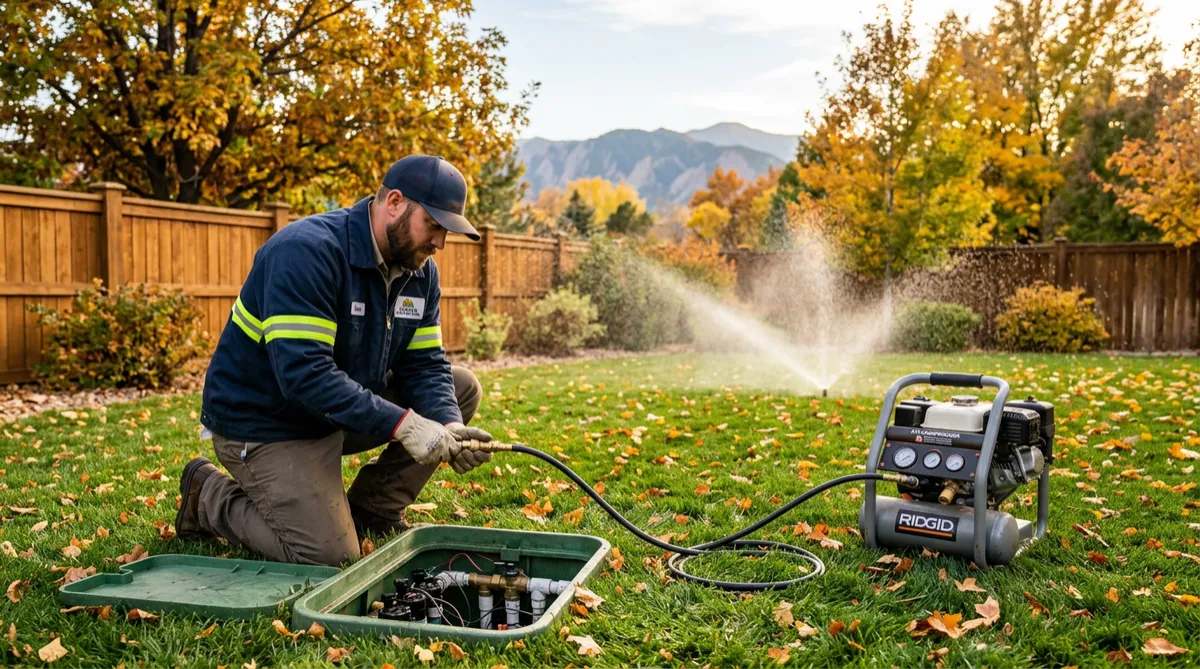
The cheapest sprinkler repair is the one you never have to make. In Colorado, an irrigation system that goes into winter with water still in the lines can start the next season with cracked pipes and broken fittings. You usually won't find out until spring, when you turn it on and water starts surfacing where it shouldn't.
Fall is the one window when this problem is completely preventable. Once the hard freeze arrives, you can't go back. Here is the checklist we walk Denver-area homeowners through every year, along with the reasoning behind each step.
Ready to book your sprinkler blowout in Denver? Call (720) 263-2001 or request a free estimate through our contact page.
Why Sprinkler Winterization in Denver Matters
Colorado gives us all four seasons, and each one is hard on a property. Winter is especially unforgiving to anything that holds water. Sprinkler lines, valves, backflow assemblies, and outdoor spigots all depend on water staying liquid. When temperatures drop below freezing, the water left inside expands, and pipes, fittings, and valves have very little room to give.
That is why Hugh Mathews, owner of Grade A Excavation & Landscape, puts irrigation winterization at the top of every pre-winter conversation. After nearly 30 years in the industry, he has seen what happens when homeowners skip essential fall maintenance. His observation is simple: "Most people only call when there's a problem. But prevention is worth so much more than waiting until there's already a problem."
Many of our clients have taken that advice to heart. Some schedule yearly sprinkler blowouts. Others have us return every spring and fall to maintain their irrigation, so the system is closed down before the cold and brought back up carefully afterward.
What Happens When a Sprinkler System Freezes
A frozen irrigation system rarely announces itself. The damage happens quietly over a cold night, and the evidence stays hidden underground until the system is pressurized again. Frozen irrigation systems can burst, leading to expensive spring repairs.
Typical consequences include:
Cracked or split pipes in the underground lines, which can be hard to locate without digging.
Damaged valves and fittings that leak or fail to close once the system is running again.
Broken sprinkler heads near the surface.
Soggy, saturated patches in the lawn when a damaged line leaks.
That last item deserves attention. A leaking underground line adds water exactly where you don't want it. If it saturates the soil near your foundation, a plumbing problem turns into a drainage problem.
When to Blow Out Sprinklers in Denver
Your lines don't care what the calendar says. They care about temperature. The goal is to have the water out of the system before overnight lows reach freezing, not after.
Here is how to time it:
Don't wait for the first freeze. If you're watching the forecast and see freezing overnight temperatures approaching, you are already late.
Book early. Contractors fill up fast once the first cold snap shows up in the forecast, because everyone remembers at the same time.
Plan around your own schedule. If you travel or have a large property, schedule your blowout ahead of the typical rush rather than at the last minute.
The "Do It Before the Freeze" Checklist
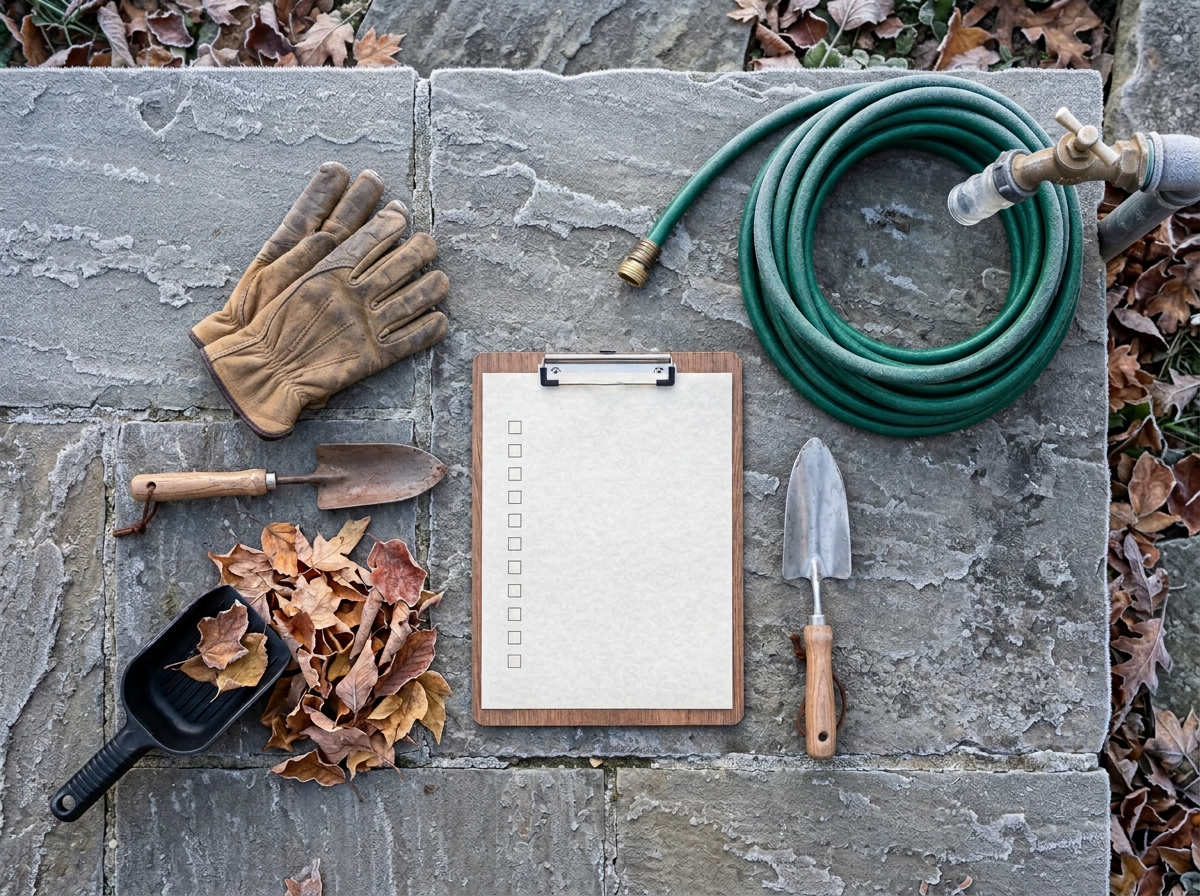
Work through these steps in order. Not every item needs a professional, but some do.
1. Book your sprinkler blow out early
A blowout clears the water out of your irrigation lines so there is nothing left to freeze. If you book now, you control the timing instead of racing the weather.
2. Shut off the water supply to the irrigation system
Before any lines are cleared, the supply to the system should be isolated. This keeps new water from refilling the lines and stops pressure from building behind your backflow assembly. If you don't know where your shutoff is, ask your irrigation contractor to point it out during the blowout so you know for next year.
3. Clear the lines and protect the components
A proper winterization removes water from the lines, valves, and heads, and it deals with above-ground components like the backflow device. These are the parts most exposed to a hard freeze, so they get special attention.
4. Disconnect and drain every outdoor hose
This step costs nothing, and homeowners skip it constantly. A hose left attached to a spigot can trap water, and that water can freeze and push back into the plumbing behind the wall. To avoid frozen pipes:
Disconnect every outdoor hose from its spigot.
Drain each hose completely and coil it for storage.
Remove splitters, timers, and attachments that hold water.
Check that the spigot itself isn't dripping before the cold arrives.
5. Switch off the irrigation controller
Once the system is drained, set the controller to its off or rain mode, depending on your model. This prevents it from running a schedule on empty lines. Leave your programs intact so spring startup goes quickly.
6. Clean your gutters and downspouts
This isn't strictly about sprinklers, but it belongs on every pre-winter list. Clogged gutters overflow and saturate the ground around your foundation, and that water can freeze and cause problems of its own. If you have gutter guards, inspect them anyway. Mesh, screen, and solid-cover options keep leaves, sticks, and tree buds out and help prevent freeze-related clogs and ice dams, but even good guards need an occasional check.
7. Walk your property and look for drainage red flags
After you've handled the plumbing side, take a slow lap around the house. You're looking for places where water will pool, freeze, and settle against your home:
Concrete that slopes back toward the foundation.
Downspouts that dump water right at the foundation line.
Soggy, spongy turf that stays wet well after the last rain or watering.
Eroded soil or mulch washing toward the house.
Puddles that linger near the foundation.
Hugh's advice is blunt: "As soon as you see concrete sloping back to your foundation, it's time to call a professional."
Book Your Denver Sprinkler Blowout
If you'd rather hand the lines to someone who does this every fall, we can schedule your blowout and look over your system at the same visit. Call (720) 263-2001 to get on the calendar before the cold arrives.
How Much Does a Sprinkler Blowout Cost in Denver?
Price is one of the first questions homeowners ask, and the honest answer is that it depends on your system. The factors that typically move the price are:
Number of zones. A small yard with a few zones is a different job than a 14-zone system on a larger property.
System layout and access. Where the valves, controller, and backflow assembly sit affects how long the work takes.
Backflow and above-ground components. These need careful handling during winterization.
Whether you bundle services. Some homeowners pair a fall blowout with a spring startup and a system check.
We offer free estimates to homeowners in the Northglenn and Denver area, so you'll know the cost before any work begins.
Why Drainage Belongs in an Irrigation Checklist
Plenty of homeowners think of their sprinkler system and their drainage as separate topics. They share one cause of trouble: water going where you didn't plan for it to go.
For a yard to shed water properly, the ground should slope 2 to 5% away from your foundation. That works out to about 2.5 inches of drop for every 10 feet. It's a subtle slope you can't see by eye, but it is the difference between water moving away from your home and water sitting against it.
In the Denver metro, heavy clay soil makes that slope even more important. Clay doesn't absorb water quickly, so surface water collects fast. If it sits against your foundation and freezes, the freeze-thaw cycle can contribute to settling and cracking over time. That's why fall is the right moment to correct a drainage problem, before the ground locks up and before spring thaw makes everything worse. Hugh calls a professional drainage audit "the best insurance you could buy," and it costs far less than repairing a damaged foundation.
DIY or Professional Sprinkler Blowout?
Many homeowners handle hoses, gutters, and the controller on their own. A blowout of the lines themselves is different, and there are good reasons to hand it to a professional:
Experience with your system. Every property has its own zones, valves, and low points where water likes to hide.
Protecting what's exposed. Backflow assemblies and above-ground piping are the most vulnerable parts and the easiest to mishandle.
Spotting problems early. A technician who sees a leaking valve or damaged head in October can fix it before it causes trouble, instead of leaving you to discover it in April.
Consistency. A recurring fall-and-spring service means your system gets the same attention every year.
One long-time customer has us maintain a 14-zone system every spring and fall. Others have worked with us for a decade or more on irrigation and landscape care. Each found the same thing: a predictable routine beats an emergency repair.
The Water-Wise Angle
Irrigation isn't just a winter story. Denver's 2026 Stage 1 drought restrictions limit lawn watering to two days per week, with no watering between 10 a.m. and 6 p.m. Odd-numbered addresses water on Wednesday and Saturday, and even-numbered addresses on Thursday and Sunday. With drought surcharges also in effect, a leaky or damaged system wastes water and costs you more.
Fall is the ideal time to look at the whole picture:
Close the system down properly so winter doesn't damage it.
Identify zones, heads, or lines that need repair or upgrading before spring.
Consider whether some of your turf should become a water-wise ColoradoScape. Converting high-water turf can reduce outdoor water use by 50 to 75%, and rebate programs may help offset costs. Pre-approval is required before work begins, so plan ahead and check current terms with your water provider.
A Simple Fall Timeline
Now: Schedule your sprinkler blowout and disconnect all hoses.
This week: Clean gutters and downspouts, and inspect gutter guards if you have them.
Before the first hard freeze: Confirm the irrigation system is drained and the controller is off.
Early winter: Book a drainage audit if you noticed sloping concrete, pooling, or erosion.
Late winter: Start planning spring projects such as retaining walls, pavers, or a ColoradoScape conversion.
Frequently Asked Questions
When should I schedule my sprinkler blowout in Denver?
Before overnight temperatures reach freezing. If the weather is still mild, now is the time to book, because availability tightens quickly once the first cold snap is forecast.
What is the difference between a sprinkler blowout and sprinkler winterization?
The terms are often used interchangeably. Winterization is the full process of preparing your system for freezing temperatures, and clearing the water from the lines is the core of it.
How much does a sprinkler blowout cost in Denver?
It depends mainly on the number of zones and the layout of your system. We provide free estimates so you know the price up front.
Do I really need to drain my hoses?
Yes. A hose left connected can trap water, and that water can freeze and push back toward your plumbing. It takes a few minutes and costs nothing.
Can gutter guards replace gutter maintenance?
They dramatically reduce it, but they don't eliminate it. Guards still need occasional inspection, especially after storms and during seasonal changes.
Protect Your Property Before Winter Does the Damage
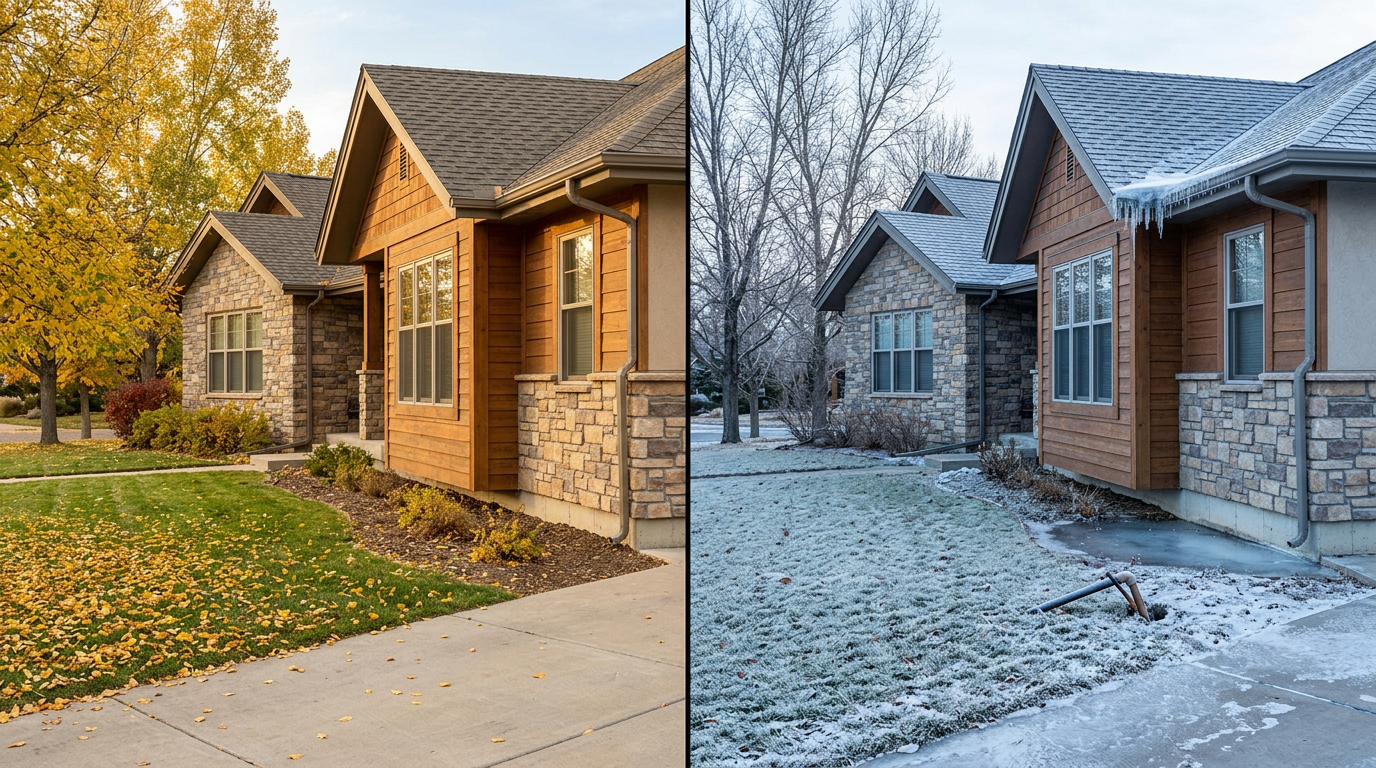
Winter in Colorado isn't something you can negotiate with, but it is something you can prepare for. A blowout, a few drained hoses, clean gutters, and a quick look at how your yard sheds water can save you from expensive surprises when spring arrives.
At Grade A Excavation & Landscape, we've been family-owned and operated since 2004. We combine drainage expertise with hands-on landscaping experience, so we look at your whole property, not just one system. Book your Denver sprinkler blowout today. Call (720) 263-2001 or request a free drainage assessment through our contact page.
Because anyone can start a project, but finishing it right is what sets you apart.
